JOURNAL · ZUIU
日本の婚礼衣裳:過去・現在・未来Japanese bridal attire: past, present & future
衣装を通して日本文化を体験
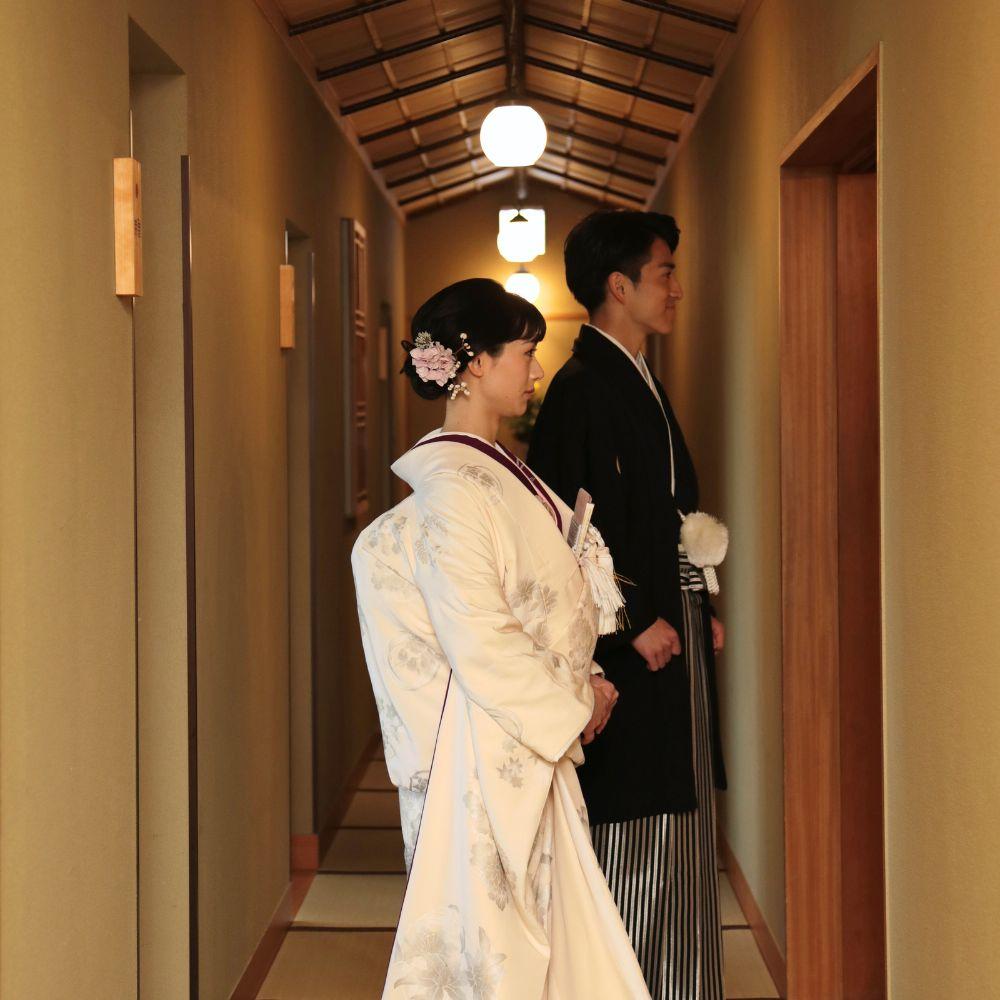
「着物」には多くの種類があります。
それらは着用する場面によって分類されており、中でも最も格式が高いものの一つが花嫁着物です。
Experience Japanese culture through attire.
There are many types of "kimono."
They are categorized by the occasions they are worn, with one of the most esteemed being the bridal kimono.
憧れの象徴であり、伝統の担い手。
代々受け継がれてきた花嫁衣装は、約500年前の室町時代から安土桃山時代にかけて始まったといわれています。
また、加賀友禅の染色技術も同じ時期に始まったとされています。加賀友禅は、金沢の伝統工芸であり、現在では県の無形文化財および国の伝統工芸品として認められています。
Symbols of admiration and bearers of tradition.
The bridal costume, passed down through generations, is said to originate from around 500 years ago, during the Muromachi to Azuchi-Momoyama periods.
Additionally, the dyeing technique of Kaga Yuzen, a traditional craft of Kanazawa, is said to have begun around the same period.
Today, it is recognized as an intangible cultural asset by the prefecture and a traditional craft by the national government.
かつて日本の結婚式は、家族と家族をつなぐ大切な儀式でした。特に地方では、婚礼は家や近所の集会所で行われることが多く、親族だけでなく地域の人々にも祝福される、地域ぐるみの行事でした。親は、これから嫁いでいく娘の幸せを願い、一針一針に想いを込めて誂えた着物を持たせ、おめでたい柄をあしらった一着に娘への愛情と祈りを託しました。
In the past, a Japanese wedding was a sacred ceremony that connected one family to another.
Especially in rural areas, weddings were often held at the family home or a local community hall, becoming community-wide events blessed not only by relatives, but also by neighbors. Parents, wishing for their daughter's happiness as she left to begin a new life, would prepare a kimono tailored with love—each stitch filled with emotion.
They chose auspicious patterns for the garment, entrusting their hopes and prayers to the fabric as a symbol of their affection.
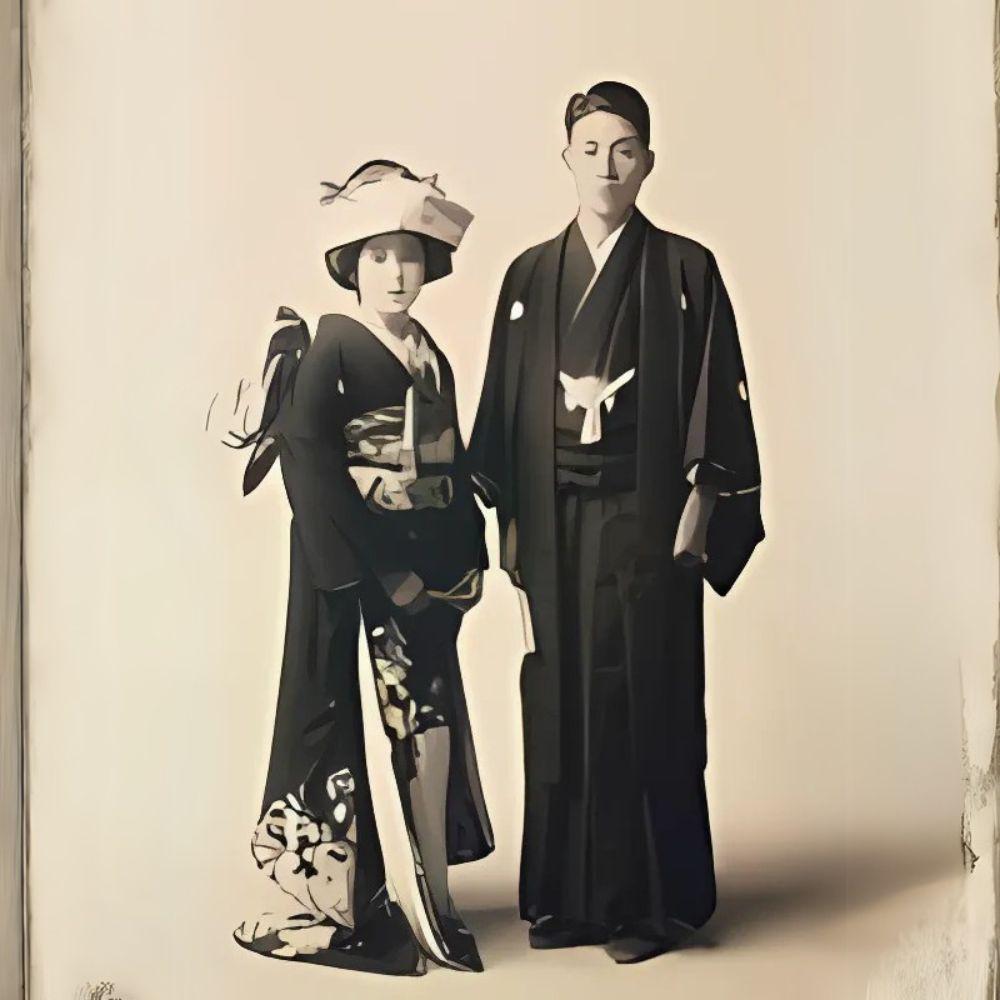
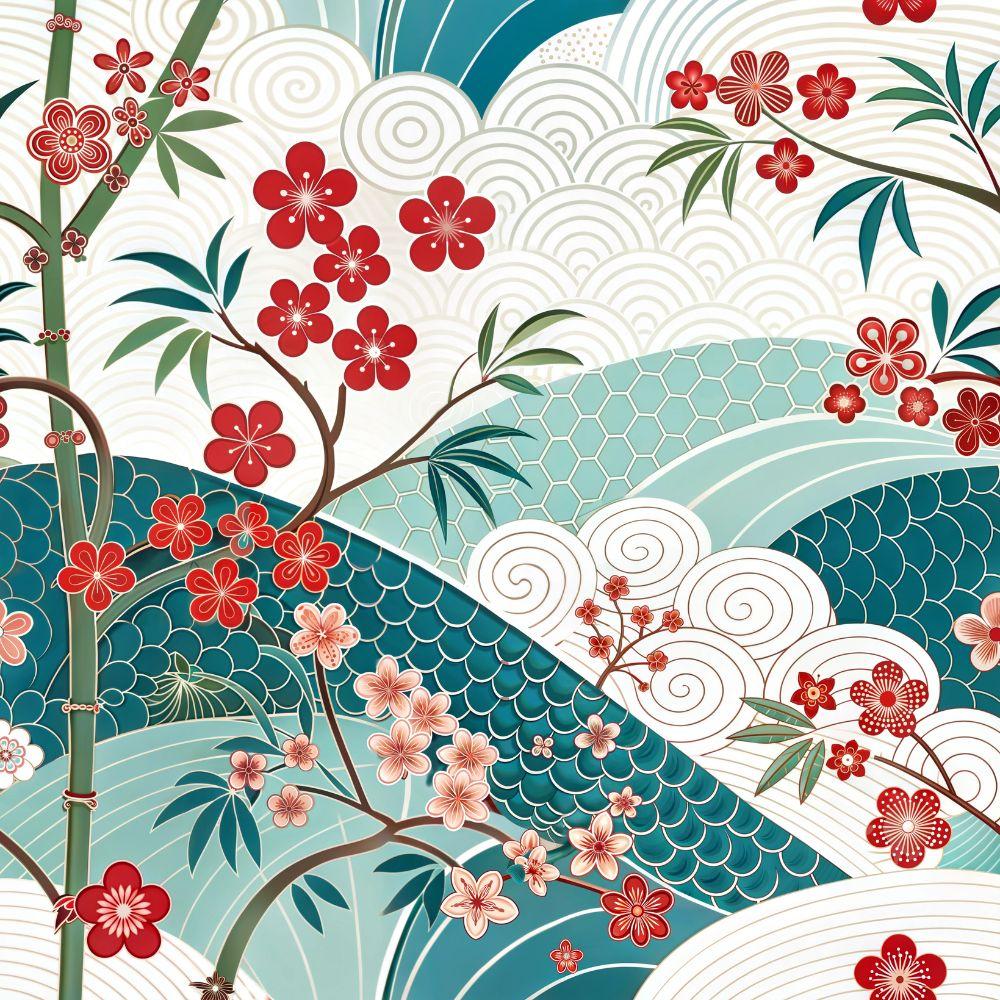
たとえば、牡丹や鶴、松竹梅といった吉祥文様には、「豊かさ」「長寿」「夫婦円満」など、幸せな未来を願う想いが込められていました。 時代が進むにつれて、ウェディング産業の発展とともに、結婚式のスタイルも大きく変化していきます。ホテルや専門式場など、大規模な施設で行う華やかな結婚式が人気を集めるようになり、衣裳もより豪華で煌びやかなものが好まれるようになりました。ゲストへの演出やサプライズも増え、結婚式そのものが「見せる場」へと移り変わっていったともいえるでしょう。
For example, auspicious motifs such as peonies, cranes, and the trio of pine, bamboo, and plum were chosen to express heartfelt wishes for a prosperous future—symbolizing abundance, longevity, and marital harmony. As time went on, the wedding industry in Japan evolved, bringing significant changes to how weddings were celebrated.
Lavish ceremonies held at hotels and specialized venues became increasingly popular, and bridal attire grew more extravagant and dazzling in appearance. Weddings also began to include elaborate performances and surprises for guests, transforming the occasion into more of a spectacle—a stage to be seen.
しかし近年、結婚式に対する価値観はまた少しずつ変わりつつあります。派手さよりも「本当に大切な人たちと心のこもった時間を過ごしたい」という想いが重視されるようになり、「感謝を伝える場」としての意味合いが強まっているように感じます。特に両親や祖父母など、これまで自分を支えてくれた人への「ありがとう」の気持ちを表す機会として、結婚式を大切に考えるカップルが増えているのです。
In recent years, however, the values surrounding weddings in Japan have begun to shift once again.
Rather than focusing on extravagance, more couples are choosing to spend heartfelt, meaningful time with the people who truly matter to them. Weddings are increasingly seen as opportunities to express gratitude, especially toward parents, grandparents, and others who have supported them throughout their lives.
More and more couples are treasuring their weddings as a moment to say “thank you” to those who have helped shape their journey.
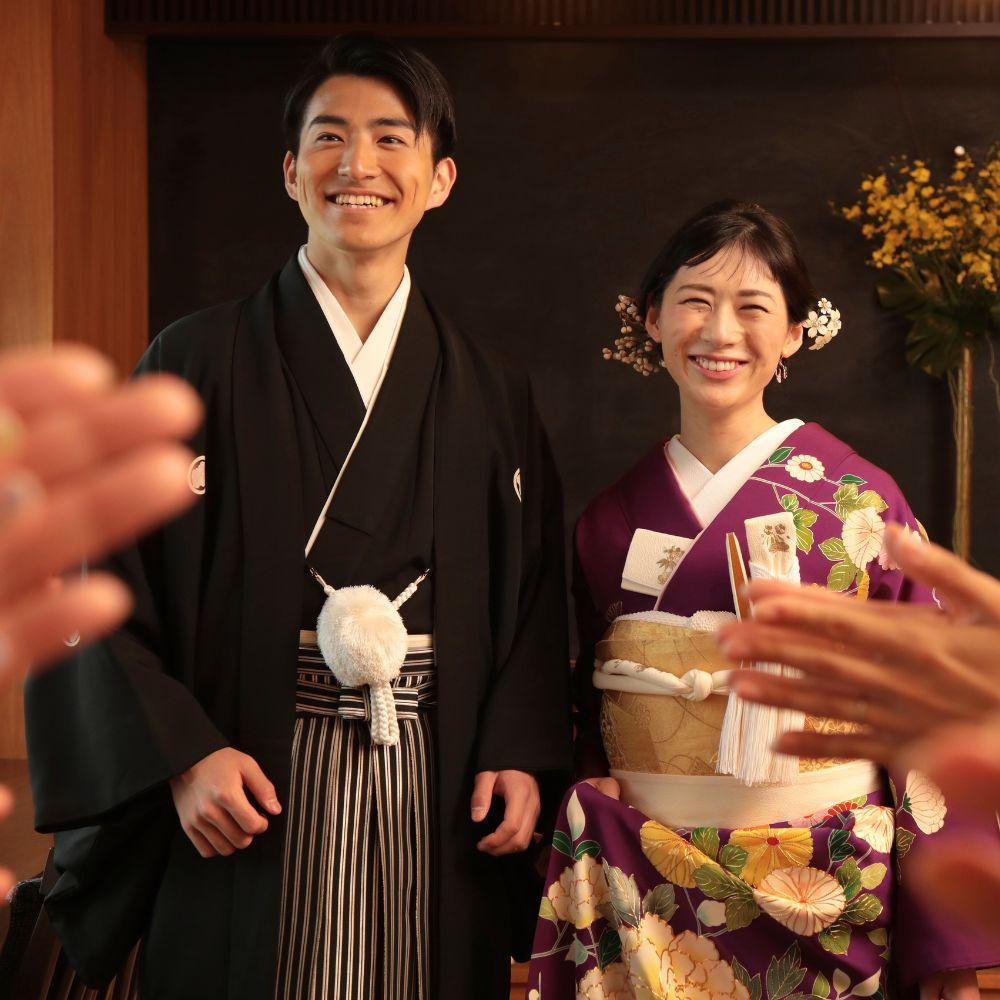
その流れの中で、衣裳に対する意識にも変化が見られます。「映える」だけの衣裳ではなく、「意味が込められた、本当に良いものを身にまといたい」という想いを持つ人が増えつつあります。加賀友禅のように、一点一点が職人の手によって丁寧に作られた着物は、そうした想いを形にするのにふさわしい一着です。衣裳そのものが、花嫁の覚悟や家族への感謝の象徴となり、「おもてなし」の一環としての意味を持つようになってきています。
Along with this shift in values, awareness around wedding attire has also begun to change.
Rather than choosing outfits simply for how they "stand out" or look impressive, more couples are seeking garments that carry meaning—something truly authentic and well-crafted. Kimono like Kaga Yuzen, each meticulously handcrafted by skilled artisans, are perfect expressions of these heartfelt wishes.The attire itself becomes a symbol of the bride’s resolve, as well as a gesture of gratitude toward her family.
It is now seen as part of the spirit of omotenashi—a way of showing sincere hospitality to loved ones.
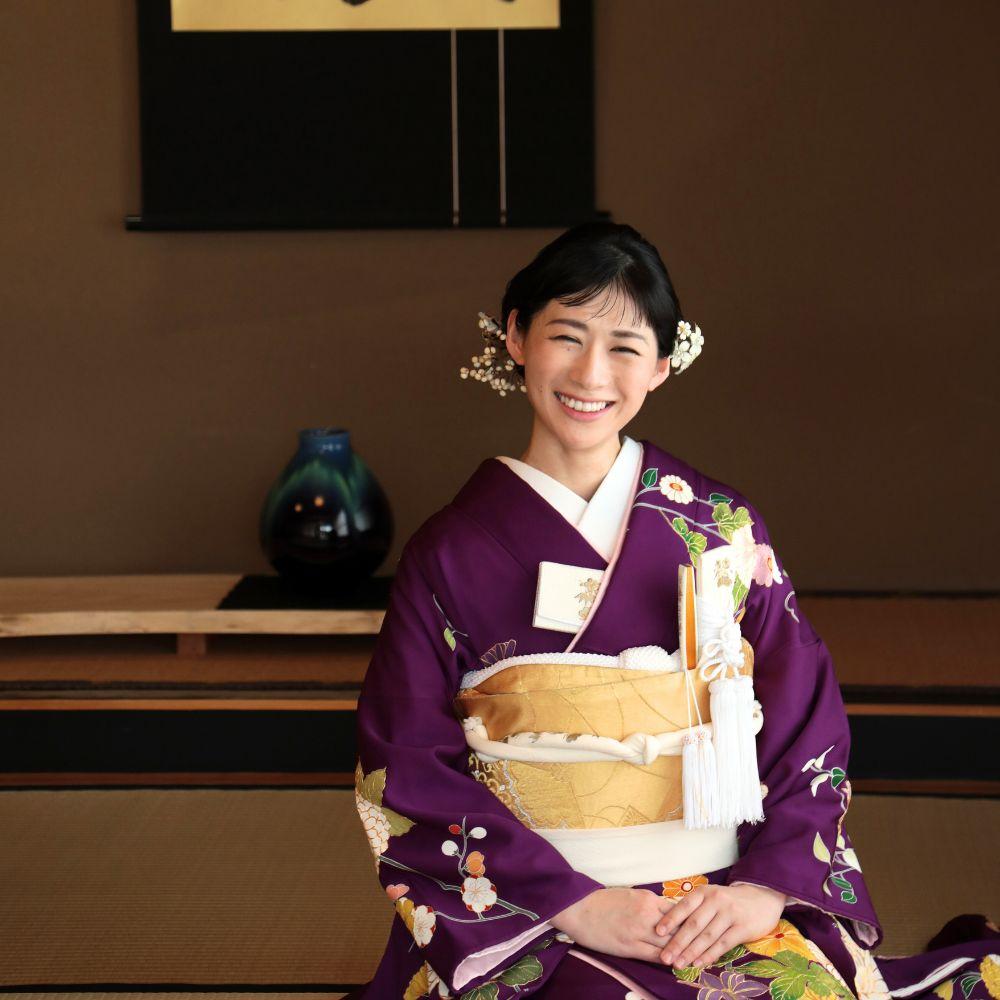
これからの日本の結婚式は、家族の絆を再確認し、感謝を伝える時間として、より本質的で温かな場となっていくのではないでしょうか。そして、そこにふさわしい衣裳もまた、時代を超えて受け継がれていくことを願ってやみません。
Looking ahead, Japanese weddings may increasingly become heartfelt occasions for reaffirming family bonds and expressing gratitude. Rather than grand displays, they will be more about sincerity, connection, and meaning.
And we sincerely hope that the garments worn on such special days— those that carry deep cultural value and timeless craftsmanship— will continue to be cherished and passed down across generations.